Human-Centred Redesign
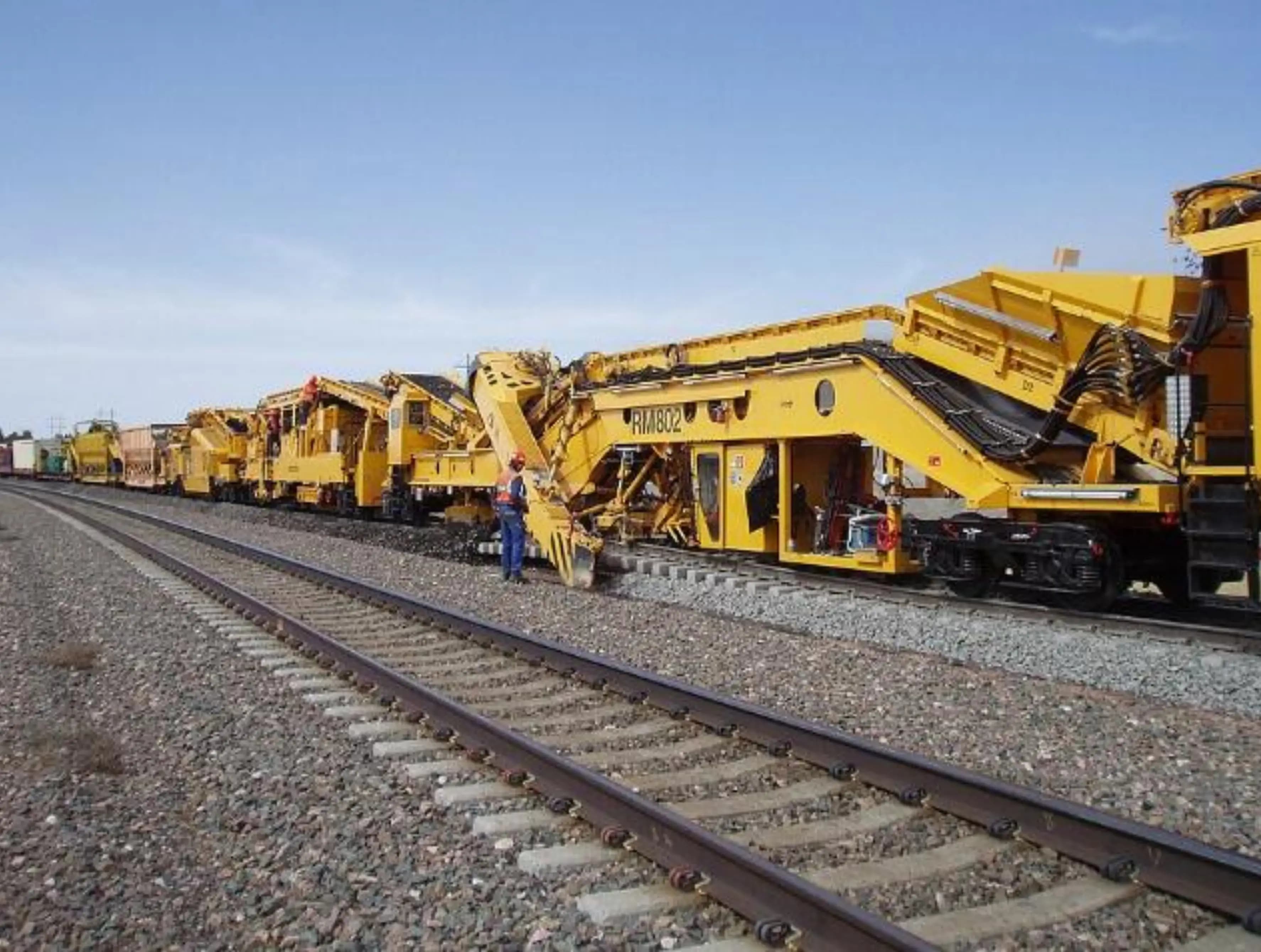
The operator environment was re-engineered around sustained human performance:
- Camera systems enabling remote operation.
- Operators relocated into enclosed, positive-pressure cabins.
- Elimination of exposure to dust and harsh weather.
- Sustained performance over extended durations became achievable rather than heroic.
Dynamic Maintenance Model
Static maintenance windows were replaced with a risk-based, dynamic system:
- On-the-move monitoring — continuous temperature and visual checks.
- Short 'pit stop' interventions — 5–10 minute stops for critical checks.
- Planned maintenance intervals — 20-minute structured inspections where required.
Workforce Integration
A technician-operator model combined operational and mechanical competencies, enabling real-time intervention and improved mechanical sympathy in the cab.
System Optimisation
Decision-making was enhanced through ground-penetrating radar data, giving improved visibility of ballast conditions. Strategic tool placement across the machine reduced downtime during interventions.
Strategic Value
Demonstrates the ability to redesign complex operational systems under constraint — with strong integration of human performance, engineering, and data-driven decision-making. The outcome was a step-change improvement in productivity and reliability, and a scalable model for high-performance rail operations.