
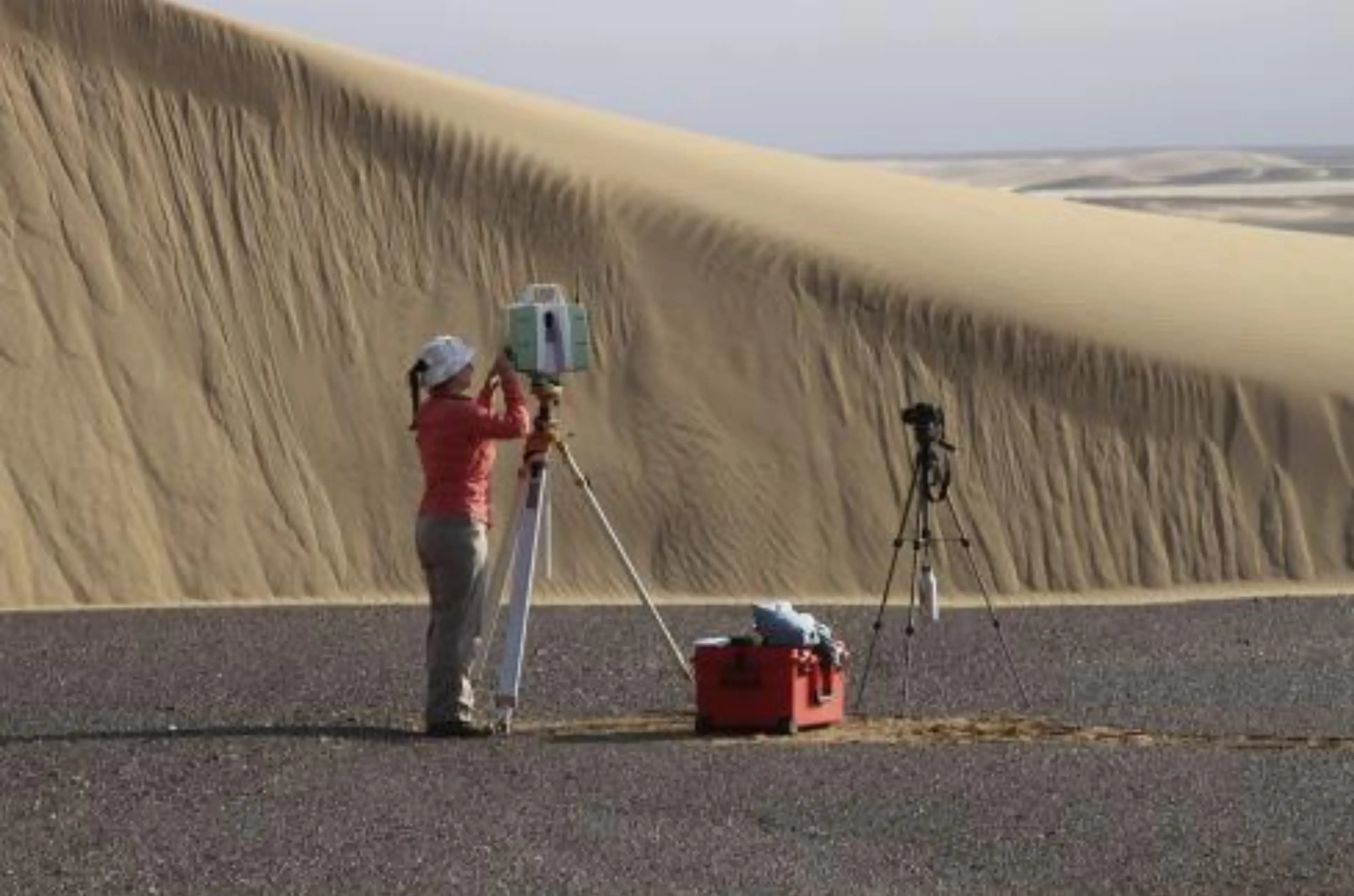
Problem Reframing & Environmental Analysis
The engagement challenged the conventional approach of improving sand removal capability and recognised that any intervention after sand reached the railway was structurally too late. Research focused on sand movement patterns, wind behaviour and seasonal trends, with local weather monitoring stations installed to capture real-time environmental data at specific track locations.
Predictive Risk Modelling
A forward-looking risk model combined local weather station data with external forecasting sources, enabling:
- 5–10 day visibility of wind conditions.
- Identification of high-risk areas before impact.
- A proactive alert system triggering early intervention.
Engineering & Mitigation Design
Location-specific mitigation solutions were designed around sand type, wind direction and terrain — including fencing and barriers to slow, divert and trap sand, and controlled sand accumulation zones to improve removal efficiency when clearance was needed.
Operational Integration
Maintenance strategy was redesigned around predictive insight — pre-positioning of resources ahead of sand events, targeted interventions in high-risk areas, and a reduction of reactive, emergency-based work.
Strategic Value
Demonstrates the ability to shift operations from reactive to predictive systems, with strong integration of environmental data, engineering, and operational planning. Delivered scalable, long-term improvement in reliability and performance — and the operational experience that directly underpins Core's Environmental Risk & Sand Mitigation System product.